Retail shrink costs businesses over $90 billion each year, and traditional security systems often fail to prevent losses as they happen. This article explains how AI-powered security cameras help retailers detect theft in real time, improve operational efficiency, and build a smarter approach to loss prevention across multiple locations.
Why retail shrink is still growing despite traditional security
Retail shrink is the loss of inventory from theft, fraud, and errors. Traditional CCTV systems record footage but do little to stop losses as they happen.
The problem is that shrink comes from multiple directions at once. External shoplifting gets the most attention, with an 18% increase in incidents reported year over year, but internal theft, administrative mistakes, and supply chain gaps often cause even greater losses. Manual surveillance cannot keep up with modern retail, where inventory moves constantly between stores, warehouses, and fulfillment centers.
Traditional systems create blind spots that thieves exploit. Security staff cannot watch every camera feed at once. Reviewing hours of footage after a loss takes time and often leads nowhere. By the time someone discovers a theft, the chance to prevent it has already passed.
This is why retailers are moving away from passive recording toward proactive, intelligent prevention. AI-powered security cameras detect suspicious behavior as it happens and alert staff before losses occur. You get visibility into what is happening right now, not just a record of what happened yesterday.
How AI security cameras detect and prevent retail shrink
AI security cameras use computer vision and machine learning to analyze video in real time. Computer vision is technology that allows cameras to understand what they see, much like a human would. Machine learning means the system improves over time by studying patterns in your specific store environment.
Unlike traditional CCTV, which simply records, these systems interpret what they see. They identify patterns, detect anomalies, and send alerts to staff within seconds. The core difference is behavioral analysis. AI cameras learn what normal activity looks like in your store. When something unusual happens, the system flags it immediately.
This approach bridges the gap between human judgment and automated detection. AI does not replace your security team. It amplifies their effectiveness by directing attention to the moments that matter most. Your staff spend less time watching screens and more time responding to real threats.
- Real-time behavioral analysis: The system identifies suspicious patterns as they unfold, not hours later.
- Continuous monitoring without fatigue: Machines analyze thousands of data points without losing focus or taking breaks.
- Contextual alerting: AI learns what matters in your store, reducing false alarms and surfacing genuine threats.
Real-time theft and suspicious behavior alerts
AI cameras detect common theft indicators such as loitering, repeated handling of items, concealment, and shelf sweeping. Shelf sweeping is when someone quickly grabs multiple items from a shelf into a bag or cart. When these behaviors occur, alerts reach your staff in seconds.
This speed changes everything for loss prevention. Instead of discovering theft after the fact, you can address it in the moment. Staff receive notifications on mobile devices or in-store systems. They can approach discreetly and deter theft without disrupting the shopping experience for other customers.
The system also works around the clock. After-hours intrusion detection alerts security teams when someone enters a closed store. You get protection even when no staff are present, which is when many break-ins occur.
Operational intelligence from video data
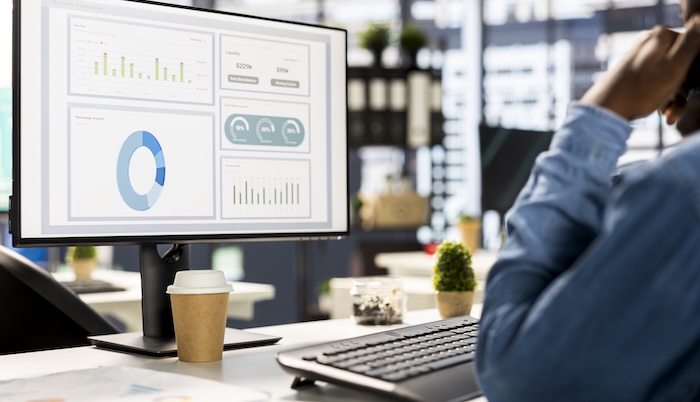
AI cameras generate insights that extend far beyond catching thieves. Heat maps show where customers spend the most time. Traffic patterns reveal peak hours and underutilized areas. Queue detection alerts managers when checkout lines grow too long.
You can use this data to make smarter decisions about store layout, staffing, and merchandising. For example, repositioning high-value products into more visible areas can reduce concealment opportunities. Adjusting staff schedules based on traffic patterns improves both customer service and security coverage.
This operational intelligence transforms video from a cost you manage into a source of business value. You are not just preventing loss. You are gaining insights that help you run better stores.
Internal theft and employee accountability
Internal shrink often exceeds losses from external theft. This is a difficult topic, but it is a reality that retailers must address. AI cameras detect anomalies in employee behavior, such as unauthorized access to restricted areas, unusual transaction patterns, or irregularities in cash handling.
Detection serves as a deterrent. When employees know that monitoring is in place, behavior changes. AI systems also help identify training gaps and procedural issues. This frames loss prevention as supportive rather than punitive. You are helping your team follow the right processes, not just catching people who make mistakes.
Integration with point-of-sale systems adds another layer of insight. Cameras linked to transaction data can flag discrepancies in real time. Examples include items bagged without scanning, excessive voids, or refunds processed without original receipts.
Faster investigations and video search
Traditional CCTV investigations require hours of manual review. Someone has to sit and watch footage, scrubbing through days of video to find a single incident. AI-powered search capabilities change this entirely.
Appearance search allows security teams to find a specific person across all cameras and locations in seconds. You describe what someone looks like, and the system finds every instance of that person in your footage. Person tracking follows an individual through multiple camera zones, providing a complete picture of their movements.
Cross-location queries enable retailers to identify patterns across their entire store estate. If someone is hitting multiple stores, you can connect the dots quickly. This speed benefits more than loss prevention. Faster investigations support customer complaint resolution, incident documentation, and collaboration with law enforcement.
What to look for in an AI security camera platform for retail
Selecting the right platform depends on your store environment, risk profile, and operational priorities. Not all AI camera systems offer the same capabilities. The right fit varies by retailer.
Start by considering how you will manage the system day to day. Centralized management lets you monitor all locations from a single dashboard. This is essential for multi-location retailers who need visibility across their entire estate without logging into separate systems for each store.
Cloud-based architecture reduces on-site hardware and IT overhead. You do not need to maintain servers or NVRs at every location. Updates happen automatically, and your team can access the system from anywhere.
Integration capability matters because your security system does not exist in isolation. Look for platforms that work with your existing POS, access control, and inventory systems. This integration enables richer insights and faster investigations.
- Search and investigation tools: Are they fast, intuitive, and capable of tracking individuals across cameras?
- Scalability: Can the platform grow with your estate without requiring you to rebuild everything?
- Privacy and compliance: Does the provider meet data security and regulatory requirements for your industry?
Platforms like Lumana offer camera-agnostic deployment. This means you can upgrade your existing IP cameras with AI capabilities rather than replacing hardware. You get modern security without the cost and disruption of a full system replacement.
The ROI of AI security cameras for retail loss prevention
The business case for AI security cameras extends beyond shrink reduction. You see returns across multiple dimensions, including operational efficiency, staffing optimization, and risk mitigation.
Direct shrink reduction is the most obvious benefit. Fewer losses and faster recovery of incidents mean more inventory stays on your shelves and in your customers' hands. But the returns go further than that.
Labor efficiency improves because staff respond to alerts rather than scanning footage. Your security team spends time on high-value activities instead of watching screens. Resource allocation becomes smarter because you know where and when problems are most likely to occur.
Operational improvements come from data-driven decisions on layout, staffing, and merchandising. You are not guessing about what works. You have evidence from your own stores.
- Risk mitigation: Reduced liability, faster incident resolution, and stronger law enforcement collaboration.
- Training and culture: Better understanding of loss patterns supports more effective staff development.
Secondary benefits often surprise retailers. Operational insights from video data can improve labor scheduling, customer experience, and even sales performance. The payback period is typically faster than expected, especially for multi-location retailers who can apply learnings across their entire estate.
Getting started with AI security cameras for your retail business
Deployment approaches vary based on store size, risk profile, and priorities. Some retailers integrate AI alerts with existing security operations centers for maximum intervention capability. Others connect aisle detection to checkout validation for autonomous intervention. A third approach focuses on detection and data collection to inform longer-term strategic decisions.
You do not need to adopt a single approach across all stores. High-risk locations may warrant full integration with security teams. Lower-risk sites may benefit from a detection-focused model that builds your understanding of loss patterns over time.
A phased approach reduces risk and accelerates learning. Start with pilot stores to test the system and refine your processes. Scale based on results. This lets you build confidence before committing to a full rollout.
Lumana partners with retailers throughout implementation. You get camera placement design, network assessment, and ongoing support. The platform works with any IP camera, enabling you to modernize your security infrastructure without replacing existing hardware.
Request a product demo to see how Lumana's AI security cameras help retailers reduce shrink and improve operations.