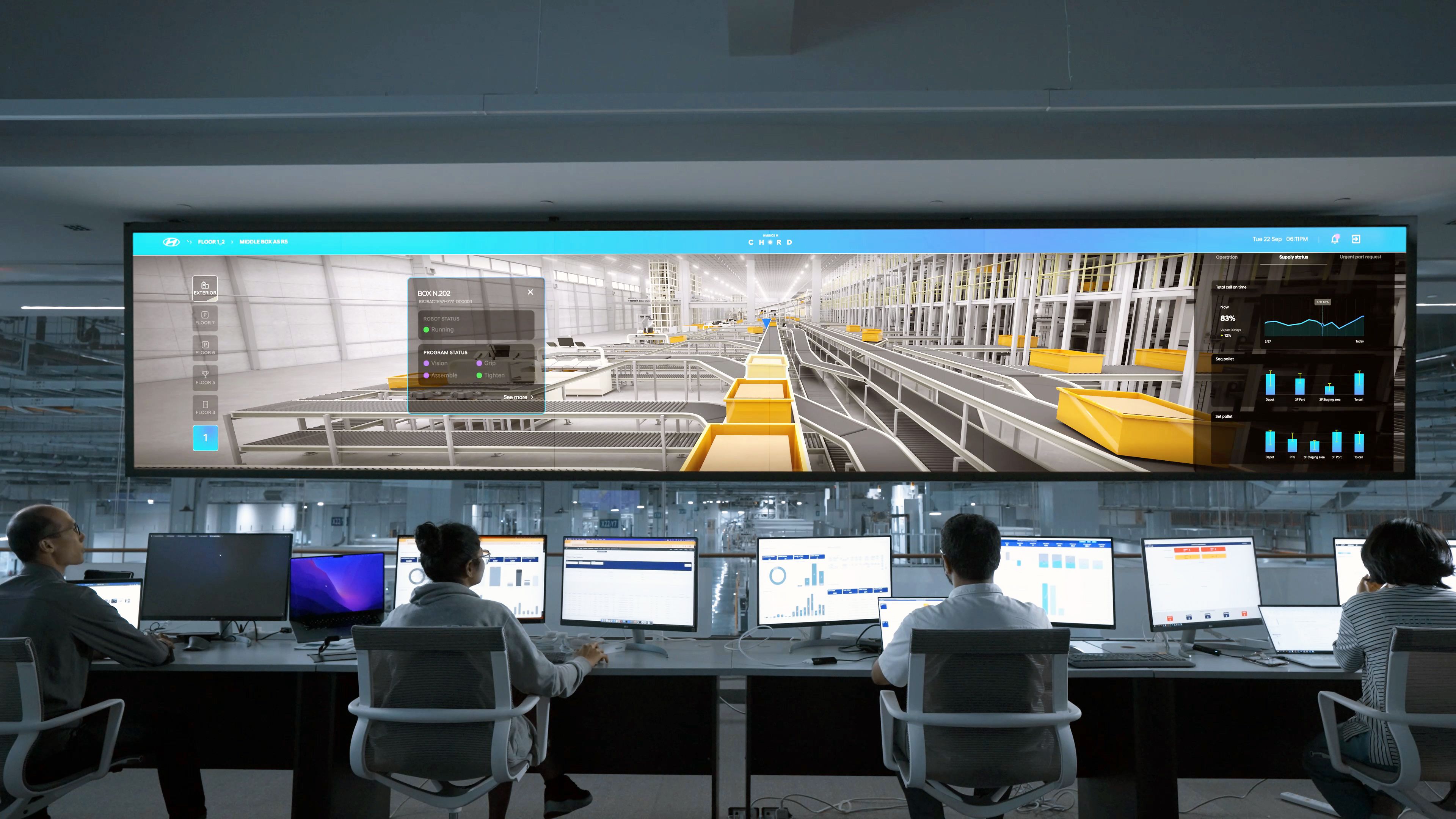
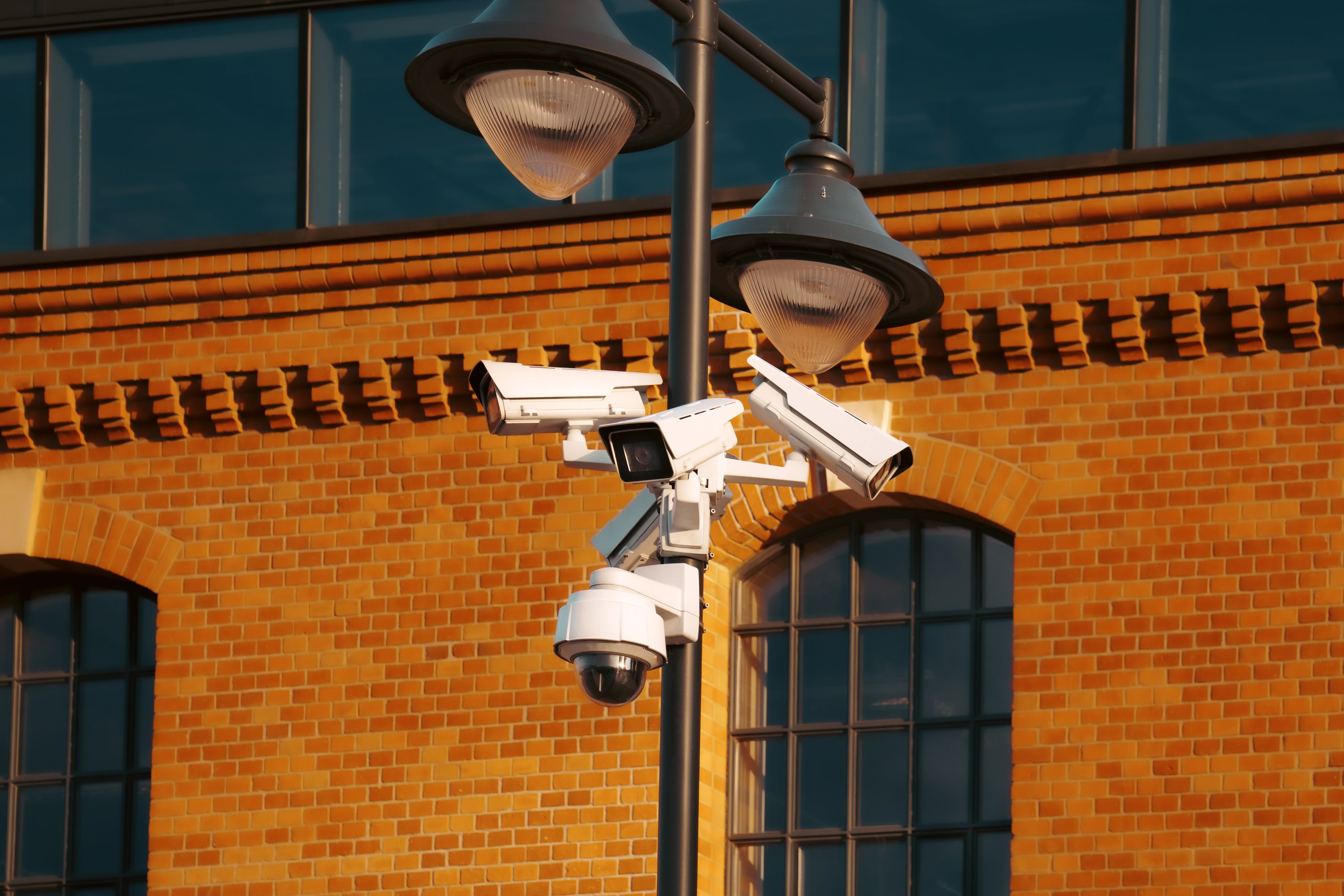
Manual video monitoring cannot keep pace with the demands of modern security operations, and organizations managing multiple sites need a smarter approach. This article explains why traditional monitoring fails to scale, how AI-powered video analysis solves these limitations, and what enterprises and public-sector teams should consider when transitioning to intelligent video security.
The limitations of manual video monitoring
Manual video monitoring fails to scale because human operators cannot maintain consistent attention across multiple camera feeds for extended periods. After just 20 minutes of continuous screen watching, an operator's ability to detect critical events drops significantly. This fundamental limitation means that as organizations add more cameras, the effectiveness of their security monitoring decreases rather than improves — a peer-reviewed study found trained operators detected only about 50% of target behaviors.
The human attention span creates an unavoidable ceiling on monitoring effectiveness. A single operator can realistically watch only a handful of screens before their focus begins to fragment. When security teams try to cover dozens or hundreds of cameras, they must either accept significant blind spots or cycle through feeds so quickly that they miss developing situations.
Fatigue compounds these attention limitations over the course of a shift. Security personnel working eight or twelve-hour monitoring shifts experience mental exhaustion that leads to slower reaction times and missed alerts. The monotonous nature of watching screens where nothing happens for hours makes it nearly impossible to stay sharp when an actual threat emerges.
The cost structure of manual monitoring creates additional pressure on organizations:
- Staffing requirements: Running a 24/7 security operation requires multiple shifts of trained personnel, with associated costs for salaries, benefits, and ongoing training.
- Diminishing returns: Despite significant investment, inherent human limitations mean organizations often pay premium prices for coverage that still contains gaps.
- Resource allocation: Money spent on additional monitoring staff cannot be invested in other security improvements or operational priorities.
Why scaling manual monitoring creates more problems
When organizations recognize their monitoring gaps, the instinctive response is to hire more staff. However, adding operators introduces new challenges that often outweigh the benefits. Each additional team member increases labor costs while creating coordination complexity that can actually reduce overall effectiveness.
Training and consistency become increasingly difficult as teams grow. Ensuring that every operator follows identical protocols, recognizes the same threat indicators, and responds with the same urgency requires extensive ongoing training. Different operators inevitably develop different habits, leading to inconsistent security coverage depending on who is working each shift.
Quality control degrades as monitoring teams expand. Supervisors cannot effectively oversee large numbers of operators simultaneously watching different feeds. This lack of oversight means that lapses in attention or protocol violations may go unnoticed until a security incident reveals the gap.
Retention presents another scaling challenge for manual monitoring operations. The work is inherently stressful yet monotonous, a combination that leads to turnover rates as high as 77%. Organizations find themselves in a constant cycle of recruiting, training, and losing staff, which further undermines consistency and institutional knowledge.
The math simply does not work in your favor. Doubling your monitoring staff does not double your security coverage. You end up paying more while still missing critical events because the core problem, human attention limits, remains unchanged regardless of headcount.
How AI-powered video monitoring changes the equation
AI-powered video monitoring is technology that uses computer vision and machine learning to automatically analyze camera feeds and detect security events. This means the system watches every camera simultaneously, 24 hours a day, without fatigue or attention lapses. The technology handles the tedious work of constant observation while alerting human operators only when their judgment and response are needed.
Unlike human operators who must consciously process what they see, AI systems analyze video feeds in real time using pattern recognition trained on millions of examples. This allows them to detect anomalies, recognize specific objects or behaviors, and distinguish between routine activity and potential threats. The technology continues improving as it processes more data, becoming more accurate over time.
AI monitoring dramatically reduces false alarms that plague traditional systems. Motion-activated alerts from conventional cameras generate constant notifications for irrelevant events like animals, shadows, or weather changes. Intelligent systems learn to filter these out, ensuring that when an alert does reach a human operator, it warrants their attention.
The shift from passive watching to active analysis represents a fundamental change in how you can approach video security. Rather than hoping a human happens to be looking at the right screen at the right moment, AI ensures that every relevant event across every camera receives immediate attention. Your security team transforms from screen watchers into decision makers who act on verified threats.
Key capabilities of AI video monitoring systems
Modern AI video monitoring platforms offer specific capabilities that address the core limitations of manual approaches. Understanding these features helps you evaluate how intelligent systems can strengthen your security posture while reducing operational burden.
Real-time threat detection
Real-time threat detection means the AI identifies security events as they occur, processing video feeds with response times measured in milliseconds. This speed advantage over human perception means that alerts can reach response teams while incidents are still developing, rather than after they have concluded.
The technology recognizes threats based on visual patterns rather than simple motion. It distinguishes between a person walking normally and someone exhibiting concerning behavior. Pattern recognition capabilities allow AI to identify subtle indicators that human operators might overlook, such as changes in movement patterns, unusual object placement, or behavioral anomalies.
Environmental factors that challenge human operators are handled through algorithms specifically trained for difficult conditions:
- Low light situations: AI maintains detection accuracy in darkness or poor lighting where human eyes struggle.
- Crowded scenes: The system tracks multiple individuals simultaneously without losing focus.
- Weather interference: Rain, snow, and shadows that trigger false alarms in basic systems are filtered appropriately.
Behavioral analytics
Behavioral analytics is the AI capability that identifies concerning patterns before incidents escalate. This means the system moves your security from reactive to proactive by recognizing precursor behaviors rather than waiting for obvious threats like weapons or forced entry.
The system watches for activities such as loitering in sensitive areas, unusual movement patterns, or repeated surveillance of a location. You can configure behavioral rules specific to your environment and risk profile. A hospital might flag someone repeatedly photographing secure areas, while a retail store might focus on shopping patterns associated with theft.
Historical analysis reveals patterns that emerge over time, helping your security team understand when and where risks concentrate. This intelligence supports better resource allocation, surfaces operational metrics from your camera network, and informs policy decisions beyond immediate incident response.
Integration with existing infrastructure
AI monitoring platforms work alongside your current security investments rather than requiring complete system replacement. Camera-agnostic solutions connect to existing IP cameras from various manufacturers, extracting intelligence from hardware already deployed throughout your facilities.
Integration extends beyond cameras to include access control systems, alarm panels, and other security infrastructure. When AI detects a potential threat, it can automatically correlate that information with access logs, triggering appropriate responses across multiple systems. This unified approach eliminates the silos that often exist between different security technologies.
Implementation typically requires minimal infrastructure changes. You can modernize your monitoring capabilities without extensive construction or network overhauls, protecting your previous investments while adding powerful new capabilities.
Operational benefits beyond security
The value of AI video monitoring extends beyond threat detection into broader operational improvements. Organizations implementing these systems often discover benefits they did not initially anticipate.
Your staffing model changes fundamentally with AI monitoring in place. Fewer operators can maintain comprehensive coverage when AI handles continuous analysis, allowing security teams to focus on response and investigation rather than passive watching. This does not mean eliminating security staff but rather deploying them more effectively.
Cost improvements come from multiple directions:
- Reduced labor expenses: Fewer monitoring staff needed for equivalent or better coverage.
- Decreased false alarm responses: Security personnel spend less time investigating non-events.
- Lower training costs: Simplified workflows reduce the complexity of onboarding new team members.
Response times improve dramatically when AI handles detection. Automated alerts with relevant video clips reach responders immediately, eliminating the delay between detection and notification that occurs with manual monitoring. Your team can act while situations are still developing rather than reviewing footage after the fact.
Complete audit trails support post-incident investigations and demonstrate compliance with security requirements. Every detected event, alert, and response is logged automatically, creating documentation that would be impossible to maintain manually.
Implementation considerations for your organization
Moving from manual to AI-powered monitoring requires thoughtful planning to ensure successful adoption. You should approach this transition as a strategic initiative rather than a simple technology purchase.
Assessment of existing infrastructure should identify camera types, network bandwidth, and current system integrations. This inventory reveals what you can leverage immediately and what might require upgrades to support AI capabilities effectively.
Defining monitoring priorities helps focus initial implementation on high-value areas. Rather than attempting to transform everything simultaneously, you benefit from evaluating AI video surveillance vendors against your specific needs and starting with locations or threat types where AI can demonstrate clear value quickly. Success in these initial areas builds confidence and expertise for broader deployment.
Training ensures that security staff understand how to work effectively with AI-generated alerts. The technology changes their role from passive watchers to active responders, requiring new skills and workflows that should be developed before full deployment.
Getting started with intelligent video monitoring
With the AI surveillance market projected to reach $26.9 billion by 2034, you no longer face a choice between comprehensive coverage and operational efficiency. AI-powered video monitoring delivers both by automating the continuous analysis that humans cannot sustain while ensuring that trained personnel focus their attention where it matters most.
The transition from manual monitoring represents a fundamental shift in security operations philosophy. Rather than accepting the inherent limitations of human attention, you can deploy technology that watches everything, all the time, with consistent accuracy. This approach transforms video from a passive recording medium into an active security tool that delivers real-time insight, detection, and alerting.
Lumana's AI-powered video security platform turns standard IP cameras into intelligent agents for real-time threat detection. The system works with existing camera infrastructure while adding the behavioral analytics and automated alerting capabilities that manual monitoring cannot match. Request a product demo to see how Lumana's intelligent video monitoring can scale your security operations without scaling your staffing requirements.
FAQ
Can AI video monitoring work with cameras my organization already has installed?
Yes, modern AI monitoring platforms like Lumana are camera-agnostic, meaning they integrate with most existing IP cameras regardless of manufacturer, protecting your previous infrastructure investments while adding intelligent capabilities.
How does AI video monitoring handle privacy concerns?
AI monitoring systems can be configured to focus on behavioral patterns and security events rather than individual identification, and you should work with your legal team to ensure implementations comply with applicable privacy regulations.
What happens to AI video monitoring during internet outages?
Hybrid-cloud architectures maintain local recording and analysis capabilities during connectivity disruptions, ensuring continuous protection even when cloud communication is temporarily unavailable.
.jpg)