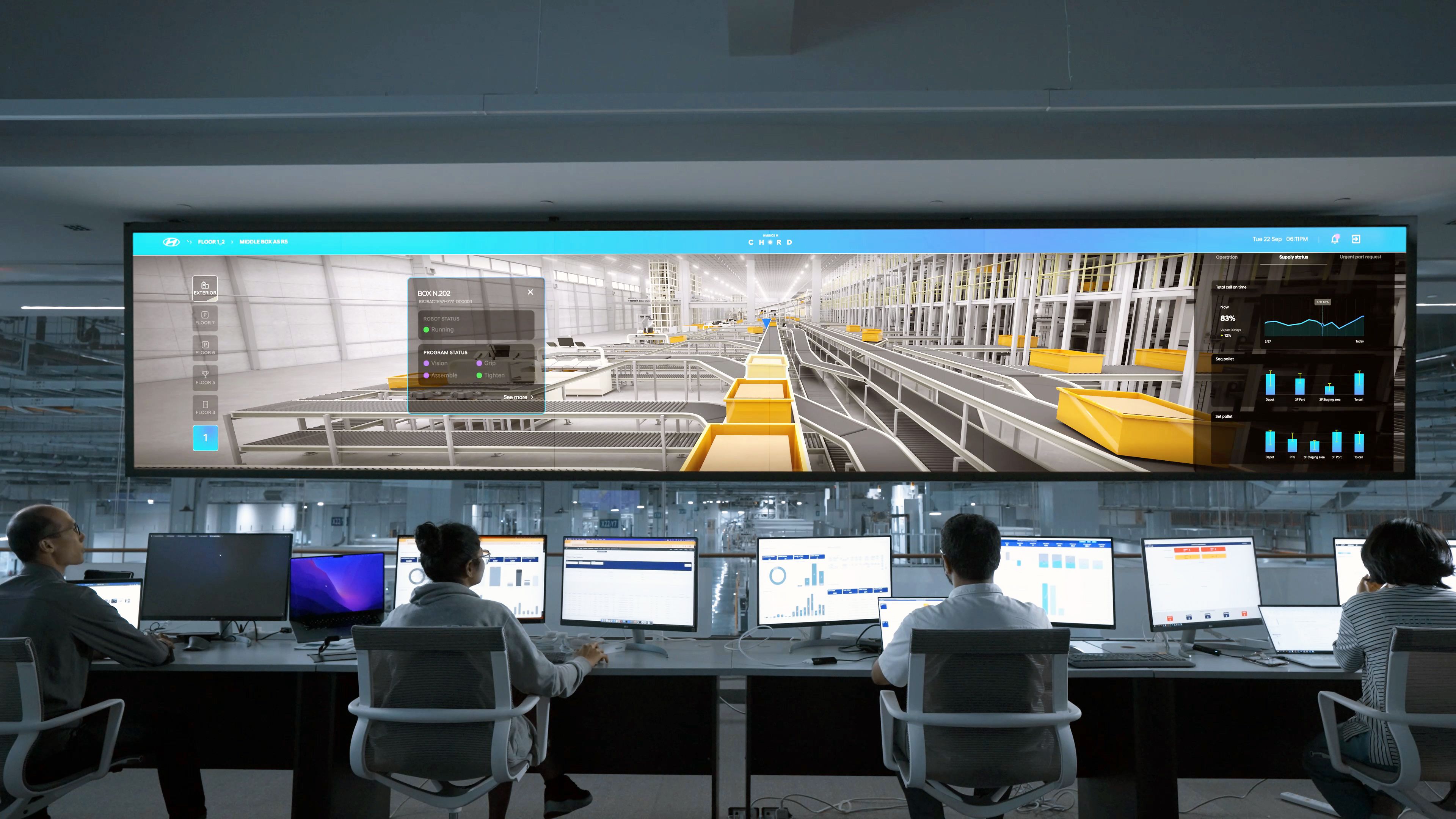
This guide covers the essential features, system types, and planning considerations that enterprises and public-sector organizations need to evaluate when upgrading their video surveillance infrastructure in 2026.
Why upgrade your surveillance system now
Organizations are upgrading their surveillance systems in 2026 because legacy technology can no longer keep pace with evolving security threats, integration demands, and the operational advantages that AI-powered platforms now deliver. Older systems often lack the connectivity, analytics, and remote access capabilities that modern security teams require to respond effectively. The gap between what outdated systems can do and what today's threats demand has become too significant to ignore.
Legacy surveillance systems present real vulnerabilities that put organizations at risk. Many older setups rely on analog cameras with limited resolution, making it difficult to identify faces or license plates during incident review. These systems also struggle to integrate with access control, alarm systems, and other security tools, creating fragmented workflows that slow response times.
AI and analytics advancements, a $27.64 billion market in 2026, have fundamentally changed what surveillance systems can accomplish. Modern platforms use machine learning to distinguish between routine activity and genuine threats, reducing false alarms and alert fatigue. This intelligent monitoring means security teams spend less time reviewing irrelevant footage and more time addressing actual incidents.
Integration requirements have also driven the push toward modernization. Businesses need surveillance systems that work seamlessly with existing infrastructure, from visitor management to building automation. A system that operates in isolation creates blind spots and inefficiencies that compromise overall security posture.
Key features to look for in modern surveillance systems
When evaluating modern surveillance systems, several core capabilities separate effective solutions from outdated ones. Understanding these features helps you make informed decisions that align with your security goals and operational needs.
Resolution and image clarity
Video quality directly impacts your ability to identify individuals and gather usable evidence after an incident. High-definition cameras, including 4K and higher resolutions, capture the detail necessary for facial recognition and license plate identification. Without sufficient clarity, footage may document that something happened without providing the specifics needed for investigation or prosecution.
Low-light performance is equally critical for organizations that require around-the-clock monitoring. Cameras with advanced sensors and infrared capabilities maintain image quality in challenging lighting conditions. This ensures consistent coverage regardless of time of day or environmental factors.
- 4K resolution: Provides four times the detail of standard 1080p, making identification far more reliable
- Wide dynamic range: Balances bright and dark areas in the same frame, preventing washed-out or shadowed footage
- Infrared capability: Enables clear imaging in complete darkness without visible light sources
Cloud versus on-premise storage
Storage architecture affects how you access, manage, and protect your surveillance footage. Cloud storage transmits video to secure remote servers, enabling access from anywhere with an internet connection. On-premise storage keeps footage on local hardware, providing direct control over data without relying on external connectivity.
The right choice depends on your organization's priorities around accessibility, compliance requirements, and IT resources. Many organizations find that hybrid approaches, which combine cloud flexibility with local reliability, offer the best balance. Hybrid-cloud systems record video locally while syncing intelligently with the cloud, ensuring footage is always protected and accessible even during internet outages.
Integration and compatibility
Open-architecture systems that work with multiple camera brands and third-party tools provide flexibility that proprietary solutions cannot match. API availability allows custom integrations with existing security infrastructure, from access control to incident management platforms. This interoperability reduces vendor lock-in and protects your investment as technology evolves.
- Multi-vendor support: Enables you to retain existing cameras while adding new capabilities
- API availability: Allows custom integrations with security tools and business systems
- Scalability across locations: Supports growth without requiring complete system replacement
Camera-agnostic platforms transform standard IP cameras into intelligent agents without requiring proprietary hardware. This approach lets you modernize incrementally rather than replacing entire systems at once. You can add AI-powered analytics to cameras you already own, extending their useful life while gaining modern capabilities.
AI-powered analytics and automation
AI analytics refers to machine learning capabilities that automatically analyze video feeds to detect specific events, behaviors, or objects. Unlike basic motion detection, which triggers on any movement, AI-powered systems can distinguish between a person entering a restricted area and a tree branch swaying in the wind. This intelligence dramatically reduces false positives that lead to alert fatigue.
Modern AI platforms go beyond basic object recognition to identify suspicious behavior with near-human perception. The system learns what normal activity looks like in your environment and flags anomalies that warrant attention. This capability transforms surveillance from a passive recording system into an active security tool that helps you respond before incidents escalate.
- Intelligent alerts: Surfaces only relevant events, allowing security teams to focus on genuine threats
- Behavioral insights: Identifies patterns and anomalies that manual monitoring might miss
- Automated response triggers: Initiates workflows when specific events occur, speeding incident response
- Natural language search: Lets you find specific footage by describing what you're looking for rather than scrubbing through hours of video
Types of modern surveillance systems
Understanding the main categories of surveillance systems helps you identify which approach aligns with your infrastructure, budget, and security requirements. Each type offers distinct advantages depending on organizational needs.
IP-based camera systems
IP cameras, holding over 55% of market revenue in 2025, transmit video data over a network rather than through analog cables. These cameras encode and process video before transmission, enabling higher resolution and more flexible installation options. IP systems support remote access, centralized management, and integration with other network-based security tools.
The scalability of IP-based systems makes them suitable for organizations planning to expand coverage over time. Adding cameras typically requires only network connectivity rather than running new cabling throughout a facility. This flexibility reduces installation costs and simplifies future expansion.
Hybrid surveillance solutions
Hybrid systems combine elements of traditional and modern surveillance technology, allowing organizations to transition gradually. These solutions can integrate existing analog cameras with new IP cameras and cloud-based management platforms. This approach spreads costs over time and minimizes disruption during the upgrade process.
Organizations with significant investments in legacy equipment often find hybrid solutions practical. Rather than abandoning functional hardware, you can add modern capabilities while maintaining existing coverage. Hybrid-cloud architectures specifically combine the resilience of local storage with the scalability of the cloud, giving you both reliability and flexibility.
AI-enhanced platforms
AI-enhanced platforms build machine learning and intelligent analytics into the core system architecture. These platforms analyze video in real time, identifying specific objects, behaviors, and events without requiring manual review. The result is faster threat detection and more efficient use of security personnel.
The most advanced AI platforms deliver human-like visual perception that surfaces highly specific alerts to any device. You can review millions of hours of video in seconds using powerful search and analytics tools, transforming video from a passive archive into an active source of operational intelligence. This capability is particularly valuable for organizations managing multiple sites that need centralized visibility without adding headcount.
Considerations for your organization's upgrade
Beyond features and technology types, successful surveillance upgrades require careful planning around budget, compliance, and organizational readiness. These factors often determine whether a new system delivers its promised value.
Budget and ROI planning
Surveillance system costs extend beyond initial hardware purchases to include installation, training, integration, and ongoing maintenance. Understanding total cost of ownership helps you compare options accurately and avoid unexpected expenses. Subscription-based cloud services, a $7.62 billion market in 2026, shift costs from capital expenditure to operational expense, which may align better with some organizations' financial planning.
- Implementation costs: Include hardware, installation, training, and integration labor
- Ongoing maintenance: Factor in monitoring, updates, and support expenses
- ROI measurement: Define how your organization will track security outcomes and efficiency gains
You should establish clear metrics for measuring return on investment before implementation. These might include reduced incident response times, decreased false alarm rates, or labor savings from automated monitoring. Camera-agnostic platforms that work with existing hardware can significantly reduce upfront costs compared to solutions requiring proprietary cameras.
Compliance and regulatory requirements
Surveillance systems must meet industry-specific and jurisdictional legal standards that vary significantly across sectors and locations. Healthcare organizations face HIPAA requirements, while retailers may need to comply with PCI-DSS for areas where payment data is visible. Data retention policies dictate how long footage must be maintained and how it must be protected.
- Data retention policies: Understand how long footage must be maintained for your industry
- Privacy regulations: Ensure systems meet GDPR, CCPA, or industry-specific requirements
- Audit trails: Verify that systems log access and changes for accountability
You should consult with compliance teams before selecting a surveillance platform to ensure the chosen solution meets all applicable requirements. Modern cloud platforms typically offer built-in compliance features, including encryption, access controls, and automated retention management.
Team training and change management
Technology adoption requires human readiness alongside technical implementation. Security teams need training on new system capabilities, interfaces, and workflows to realize the full value of an upgrade. Without adequate preparation, sophisticated features may go unused while staff default to familiar but less effective practices.
- Operator training: Ensure your security team understands new system capabilities
- Administrative access: Define roles and permissions for system management
- Transition planning: Minimize disruption by phasing in new systems strategically
Change management planning should begin before implementation, with clear communication about timelines, expectations, and support resources. The best platforms streamline the entire video security experience, from initial setup to ongoing management, making adoption easier for teams of all technical skill levels.
How Lumana supports modern surveillance upgrades
Lumana's enterprise cloud video security platform addresses the key challenges organizations face when modernizing their surveillance infrastructure. The system transforms standard IP cameras into intelligent agents for real-time threat detection and faster incident response, eliminating the need to replace existing camera hardware.
The platform combines camera-agnostic hardware, an AI engine, and VMS+ video management software to automate monitoring and accelerate investigations. This end-to-end approach means you get a complete solution rather than piecing together components from multiple vendors.
- Camera-agnostic architecture: Works with any IP camera, protecting existing investments while adding AI capabilities
- AI-powered detection: Goes beyond basic object recognition to identify suspicious behavior with near-human perception
- Powerful search and analytics: Reviews millions of hours of video in seconds, turning footage into actionable intelligence
- Streamlined management: Simplifies setup, monitoring, and maintenance across multiple sites from a single platform
Lumana's integrated system streamlines the entire video security experience, enabling you to gain real-time visibility, effectively manage critical events, and respond promptly to potential threats. For organizations seeking to upgrade their surveillance without the complexity and cost of complete system replacement, Lumana offers a practical path forward.
Request a product demo to see how Lumana can transform your existing cameras into an intelligent security system.
FAQ
How long does a typical surveillance system upgrade take?
Implementation timelines vary based on system size, integration complexity, and organizational readiness. Phased rollouts can begin delivering value within weeks, with full deployment completing over several months for larger organizations.
Can I keep my existing cameras when upgrading to a modern surveillance system?
Many modern platforms work with standard IP cameras from various manufacturers. This camera-agnostic approach allows you to retain functional equipment while adding AI analytics and cloud management capabilities.
What network bandwidth do cloud-based surveillance systems require?
Bandwidth requirements depend on camera count, resolution settings, and whether the system uses continuous or event-based recording. Hybrid-cloud solutions reduce bandwidth demands by storing video locally while providing cloud-based management and backup.
How do AI-powered surveillance systems reduce false alarms?
AI analytics use machine learning to distinguish between genuine security events and routine activity like moving shadows or animals. This intelligent filtering surfaces only relevant alerts, reducing the notification overload that causes security teams to ignore warnings.


.jpg)