Shopping centers face unique security challenges that require more than basic surveillance equipment. This guide covers why video security matters for retail environments, the key features to look for in a modern system, and how AI-powered monitoring helps security teams detect threats faster and respond more effectively.
Why shopping centers need video security
Shopping centers face security challenges that traditional methods cannot fully address. High foot traffic, multiple entry points, large parking areas, and valuable inventory create an environment where threats can emerge quickly and go unnoticed. Video security provides continuous oversight across these complex spaces, enabling security teams to detect incidents in real-time and respond before situations escalate.
Modern shopping center video security goes beyond passive recording. Today's systems use artificial intelligence to continuously analyze footage, identifying suspicious behavior patterns that human operators might miss. This shift from reactive to proactive security helps protect customers, employees, and merchandise while reducing losses from theft and liability claims, especially important given the 17% increase in violence against employees during theft events.
Deter theft and criminal activity
Visible security cameras act as a powerful psychological deterrent to potential offenders. When shoplifters and organized retail crime groups know they are being watched and recorded, they are far less likely to target your property, though 67% of retailers report transnational ORC involvement in thefts. This deterrent effect alone can significantly reduce theft incidents before they occur.
Real-time detection capabilities allow security teams to identify suspicious behavior as it happens. Instead of discovering theft after the fact, operators can observe someone concealing merchandise or acting in an unusual way and intervene immediately. This proactive approach prevents losses rather than simply documenting them.
Video footage also provides critical evidence for law enforcement and liability claims. When incidents do occur, high-quality recordings help identify perpetrators, support prosecution efforts, and protect your business against false claims.
Enable real-time incident response
Traditional security patrols can only cover a limited area at any given time. Remote video monitoring transforms this limitation by allowing trained professionals to oversee your entire property simultaneously. One monitoring team can monitor entrances, parking lots, corridors, and loading zones simultaneously.
When an alert triggers, security teams can assess the situation immediately and coordinate an appropriate response. This might involve alerting on-site staff, contacting law enforcement, or using audio systems to address intruders directly. The speed of this response often determines whether an incident results in a minor disruption or a significant loss.
Early detection prevents incidents from becoming major problems. A suspicious person loitering near a store entrance can be addressed before they attempt theft. An altercation in the food court can be de-escalated before it escalates into violence.
Improve customer confidence and experience
Shoppers choose where to spend their time and money based partly on how safe they feel. Visible security measures, such as cameras and monitoring systems, foster a sense of confidence that encourages customers to stay longer and return more often.
Video security also reduces liability exposure for shopping center operators. When accidents occur or disputes arise, footage provides an objective record of what happened. This documentation helps resolve false claims quickly and protects your business from unwarranted legal action.
Beyond security, cameras enable faster emergency response for non-criminal incidents. If someone collapses or an accident occurs, operators can immediately alert on-site staff and emergency services with precise location information.
Reduce costs with scalable protection
Hiring and maintaining large teams of on-site security guards represents a significant ongoing expense. Remote video monitoring enables a single team to oversee multiple properties simultaneously, dramatically reducing staffing costs while improving coverage.
Insurance companies often view monitored properties as lower risk, which can translate to reduced premiums. The combination of lower staffing costs and potential insurance savings makes modern video security systems cost-effective over time.
Cloud-based systems simplify expansion as your business grows. Adding cameras to existing locations or extending coverage to new properties requires minimal infrastructure changes. Platforms like Lumana work with existing IP cameras, allowing you to upgrade capabilities without replacing all your hardware.
Key features to look for in shopping center video security
When evaluating mall security cameras and video management systems, certain capabilities distinguish effective solutions from basic recording equipment. The right features enable proactive threat detection, seamless integration with other security systems, and actionable insights that improve both safety and operations.
AI-powered threat detection
Artificial intelligence is technology that analyzes video feeds continuously, identifying unusual behavior patterns that warrant attention. Unlike human operators who may become fatigued or distracted, AI systems maintain consistent vigilance around the clock. This technology learns what normal activity looks like for your specific property and flags deviations automatically.
Key detection capabilities include:
- Loitering detection: Identifies individuals lingering in sensitive areas like entrances, ATMs, or restricted zones
- Crowd monitoring: Alerts teams when unusual gatherings form that could indicate safety risks
- Boundary breach alerts: Detects when people or vehicles cross designated security lines
- Behavioral analysis: Recognizes suspicious movement patterns such as someone repeatedly circling a store
Advanced algorithms minimize false alarms by up to 90% by distinguishing between genuine threats and harmless activity. This accuracy ensures security teams focus their attention on real concerns rather than chasing irrelevant alerts.
Cloud storage and remote access
Cloud-based shopping center security surveillance eliminates the need for physical servers on-site. Video footage transmits securely to remote data centers, where it remains protected from theft, tampering, or equipment failure. This architecture provides automatic backups and ensures footage survives even if on-site equipment is damaged.
Remote access allows security teams and managers to view live or recorded footage from any device, anywhere. Whether checking in from a phone during off-hours or reviewing an incident from a corporate office, cloud systems provide immediate visibility without complex configurations.
Scaling becomes straightforward with cloud infrastructure. Adding new locations or cameras requires no major hardware investment or infrastructure changes.
License plate and facial recognition
License plate recognition, often called LPR, is a technology that identifies vehicles entering and exiting parking areas automatically. This capability helps track stolen vehicles, identify repeat offenders, and investigate incidents involving specific vehicles. Security teams can search footage by plate number to quickly locate relevant clips.
Facial recognition locates persons of interest across multiple camera feeds simultaneously. When investigating an incident, this technology can track a suspect's movement through your entire property in seconds rather than hours.
These analytics tools dramatically accelerate investigations. What once required hours of manual footage review can now be accomplished in minutes, freeing security personnel for other critical tasks.
Real-time alerts and mobile notifications
Instant alerts notify security teams the moment suspicious activity is detected. Notifications arrive directly on mobile devices or security dashboards, ensuring rapid awareness regardless of where personnel are located.
Effective alert systems include contextual information such as video clips, location details, and threat descriptions. This context helps teams assess the severity of situations before responding, ensuring appropriate action without wasting resources on false alarms.
Shopping center remote video surveillance with mobile notifications keeps managers informed even when away from the property. This continuous connection provides peace of mind and enables quick decision-making during critical incidents.
How AI-powered video security protects shopping centers
Modern retail shop security systems combine intelligent cameras, cloud-based management, and automated analytics to provide comprehensive protection. Understanding how these components work together helps you evaluate solutions and maximize their effectiveness.
Remote monitoring and live video access
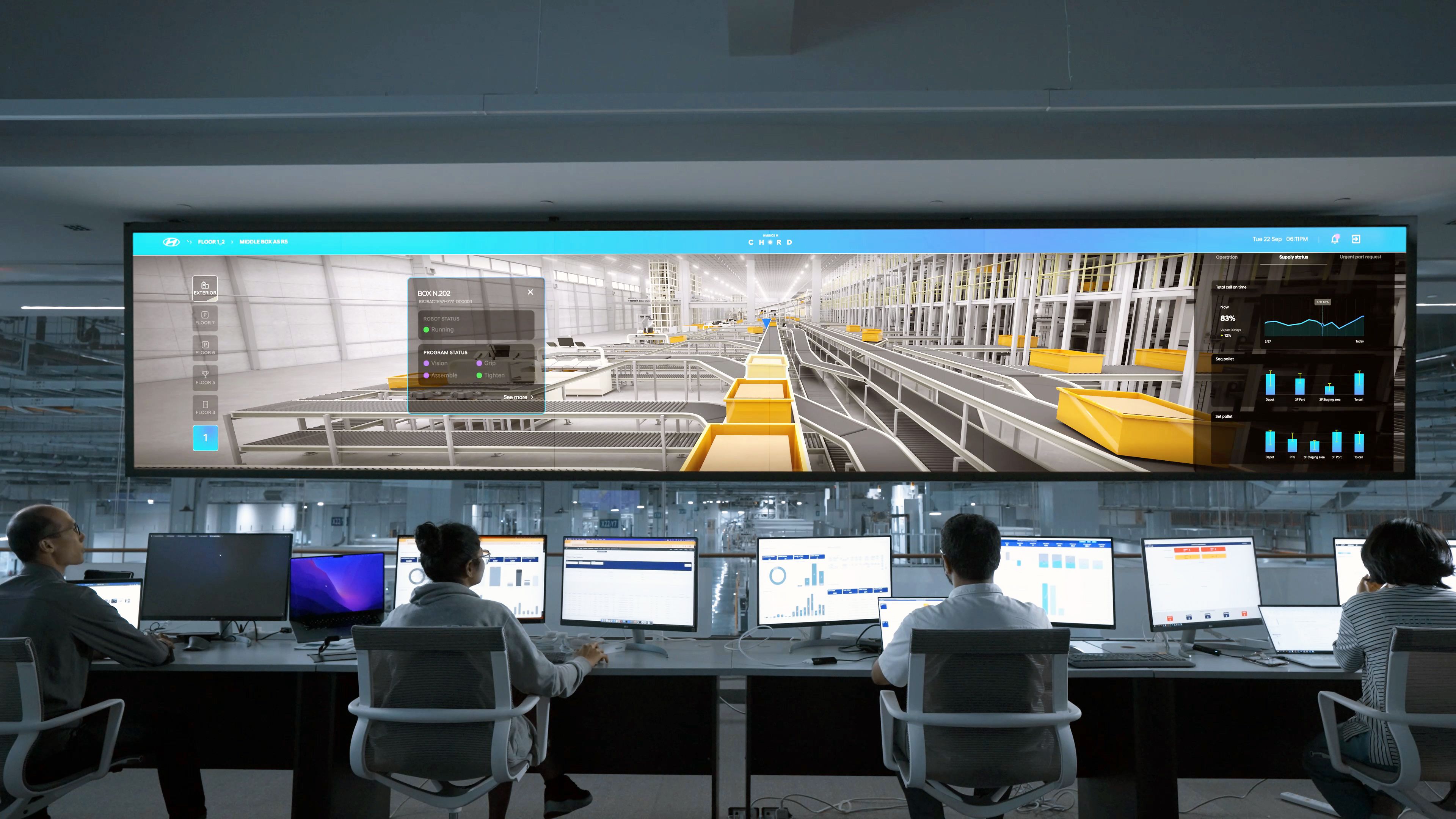
Shopping center real-time video monitoring replaces traditional on-site patrols with trained professionals who oversee your property from a centralized command center. This model allows one team to monitor multiple shopping centers simultaneously, providing consistent oversight without the limitations of physical patrols.
A unified dashboard displays all camera feeds, alerts, and incidents in a single interface. Operators can quickly switch between views, zoom into specific areas, and coordinate responses across your entire property. This centralized approach eliminates the blind spots that occur when relying solely on roving guards.
Continuous coverage eliminates gaps that occur during shift changes or breaks. Unlike human patrols that can only be in one place at a time, remote monitoring maintains visibility across all areas simultaneously.
Intelligent video analytics and alerts
Intelligent analytics process video feeds continuously, identifying patterns and anomalies that warrant attention. These systems detect loitering near entrances, unauthorized access to restricted areas, and unusual movement patterns automatically.
| Alert Type | What it Detects | Response Enabled |
|---|---|---|
| Loitering | Person lingering in sensitive area | Verbal warning or staff dispatch |
| Boundary breach | Movement across security perimeter | Immediate investigation |
| Crowd formation | Unusual gathering in specific zone | Crowd management deployment |
| After-hours motion | Activity when property should be empty | Police notification |
Centralized multi-site management
For shopping centers with multiple locations, a unified platform centralizes management of all security systems. This eliminates the need to switch between different software or log into separate systems for each property.
Consistent security protocols can be applied across all locations, ensuring uniform response procedures and training requirements. This standardization improves overall security posture and simplifies compliance with corporate policies.
Aggregated reporting reveals trends across your entire operation. You can identify which locations experience the most incidents, compare response times, and allocate resources more effectively based on data rather than assumptions.
Best practices for shopping center video security
Technology alone cannot guarantee security. Effective protection requires combining advanced systems with strong operational practices that maximize their value.
- Regular security audits: Assess coverage gaps, equipment performance, and response procedures quarterly to identify weaknesses before incidents expose them
- Staff training: Ensure all personnel understand how to recognize threats, use security systems effectively, and report incidents properly
- Access control integration: Connect video security with badge readers and alarm systems for unified incident response and comprehensive documentation
- Emergency preparedness: Establish clear evacuation routes, communication protocols, and coordination procedures with local law enforcement
- Behavioral analysis: Use historical footage to identify patterns, optimize staffing levels, and improve customer experience based on traffic flow data
These practices ensure your investment in video security delivers maximum protection and operational value.
How live video monitoring improves incident response
Live monitoring transforms security from a reactive function to a proactive one. Instead of reviewing footage after incidents occur, trained professionals actively monitor for threats and intervene in real time.
The difference between traditional security and live monitoring becomes clear when you compare response scenarios. With traditional patrols, a shoplifting incident depends on whether a guard happens to be nearby. With live monitoring, an operator can detect behavior within seconds and alert on-site staff immediately.
Parking lot break-ins illustrate this advantage clearly. Traditional security often discovers these incidents only after the fact, when the damage is done. Live monitoring operators see suspects in real-time, record identifying details, and contact police while the crime is still in progress.
Key advantages of live monitoring include:
- Instant detection: Behavioral analytics identify threats within seconds of occurrence
- Verification before response: Operators confirm threats before dispatching personnel, reducing false alarm responses
- Direct communication: Monitoring teams communicate directly with on-site staff and law enforcement, providing real-time context
- Audio intervention: Operators can issue voice commands through speakers to deter intruders before a physical response is needed
This proactive approach dramatically shortens response windows, minimizing both risk and loss.
How to choose the right shopping center security system
Selecting a security system requires evaluating vendors against criteria that matter for your specific operation. The right provider delivers more than cameras—they provide a comprehensive platform that grows with your business.
You should verify that any provider offers continuous monitoring with live access from any device. Confirm that the system uses AI for proactive threat detection with documented accuracy rates. Ensure the platform accommodates growth without major infrastructure changes.
Integration matters significantly for shopping centers. Verify compatibility with existing access control systems, alarms, and point-of-sale systems before committing. Look for vendors who understand shopping center-specific threats like organized retail crime and parking lot incidents.
Questions to ask potential vendors:
- How does your system detect and alert on loitering, unauthorized entry, and crowd formation?
- Can your platform manage multiple shopping centers from a single dashboard?
- What is your average response time to alerts, and how do you verify threats before dispatching personnel?
- How long is footage retained, and how easily can it be searched and shared with law enforcement?
Request a product demo to see how an AI-powered video security system can protect your shopping center and improve operational efficiency.
Frequently asked questions about shopping center video security
How much does a shopping center video security system typically cost?
Costs vary based on property size, camera count, and whether you choose cloud-based or on-premise management. Request quotes from multiple vendors to get pricing tailored to your specific requirements.
Can new security software integrate with existing IP cameras?
Yes, many modern platforms like Lumana work with existing IP cameras from multiple manufacturers, allowing you to upgrade analytics and management capabilities without replacing all hardware.
Does video monitoring replace the need for on-site security guards?
Video monitoring complements rather than replaces on-site staff. Remote monitoring handles detection and coordination while on-site personnel handle physical response and customer assistance.
How quickly do alerts reach mobile devices when suspicious activity occurs?
Modern systems deliver notifications within seconds of detecting suspicious activity, including video clips and location details to help you assess the situation immediately.
What happens to video footage if the cloud service experiences an outage?
Cloud systems include redundancy and backup protocols to prevent data loss. Ask vendors about their uptime guarantees, backup locations, and disaster recovery procedures before selecting a provider.


.jpg)