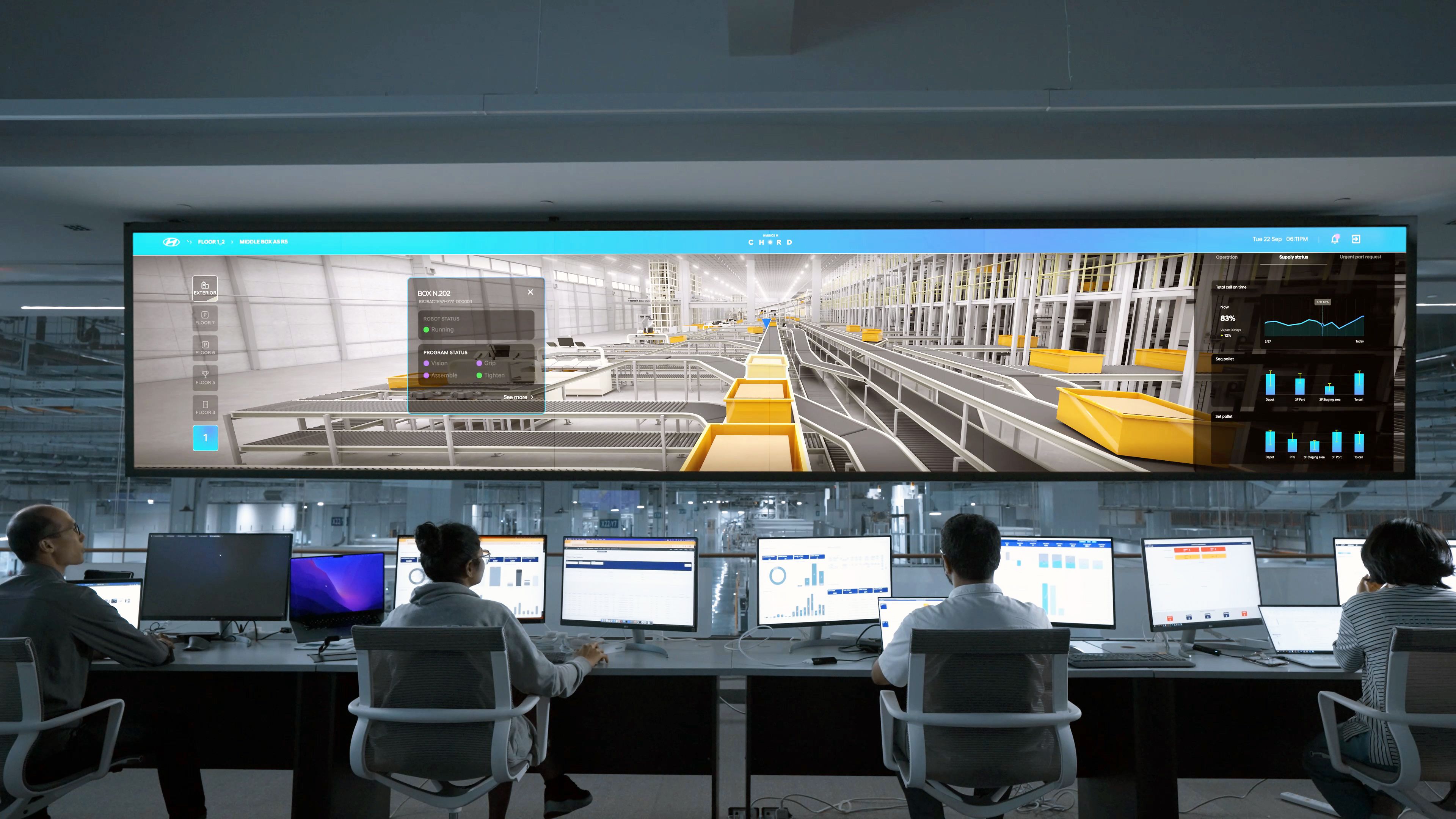
In the immediate aftermath of a serious incident, the problem isn't usually a lack of video—it’s the crushing volume of it. For cities and campuses, coverage is often vast, but the ability to turn that footage into actionable answers is historically slow.
Traditional systems are great at recording history, but they fail at querying it. When investigators have to manually scrub through thousands of hours of disconnected feeds, they aren't just losing time—they are losing the window of opportunity for a resolution.
The Resolution Clock: Why Speed is Success
There is a direct correlation between the speed of an initial response and the likelihood of a successful outcome. As more time passes, leads go cold, witnesses move on, and evidence becomes harder to track. According to research on investigative outcomes, the probability of clearing a case drops significantly as the interval between the incident and the identification of a lead increases.
The Reality: Every hour spent manually reviewing footage is an hour where the investigation loses momentum. Lumana flips the script by drastically reducing incident response times, ensuring that teams act while the trail is still warm.
Moving From "Scrubbing Footage" to "Multi-Attribute Search"
Most investigations stall during evidence retrieval. Teams often jump between cameras and timelines, trying to mentally reconstruct a subject's path across buildings, parking lots, and transit corridors.
Lumana's AI video search replaces manual scrubbing with a layered, multi-attribute approach. Instead of searching for "a person," investigators can combine specific identifiers to filter through thousands of hours of footage in seconds.
You can now hone in on your subject by combining:
- People Attributes: Clothing color, hat/bag presence, and facial characteristics.
- Vehicle Data: Make, model, color, and license plate recognition (even with partial plates).
- Environmental Filters: Specific time windows and geographic location cross-referencing.
By layering these criteria, teams can narrow down results from a sea of data to a handful of relevant clips, allowing them to verify the "who, what, and where" with high confidence.
Bridging the Gap: From Campus Perimeter to City Streets
Incidents rarely respect property lines. A situation that begins in a residence hall often moves through parking structures and onto municipal roads within minutes.
Legacy systems turn this into a coordination nightmare. Video is often siloed by department or jurisdiction, forcing investigators to manually request exports and email links. Lumana supports multi-site investigations by enabling authorized teams to search across broad camera networks—from campus facilities to city-scale deployments—without requiring a "rip-and-replace" of existing hardware.
Because Lumana utilizes a hybrid-cloud architecture, organizations can modernize their workflow using the IP cameras they already have, creating a unified operational picture across entire districts. This aligns with the Department of Homeland Security's recommendations for interoperable communications and data sharing during large-scale public safety events.
Investigator-Led Intelligence: The Human in the Search
There is often a misconception that AI "replaces" the investigator. In reality, AI is a force multiplier for human judgment. In the context of an investigation, "Human-in-the-loop" means the AI handles the data processing—the "heavy lifting" of scanning millions of frames—so the investigator can focus on analysis. The AI identifies patterns and narrows the search space, but the trained professional makes the final verification and directs the response. This ensures that accountability remains firmly in human hands while the technology removes the "noise" of irrelevant footage.
Real-World Impact: The First 60 Minutes
Imagine a university campus integrated into a dense urban environment. A report comes in of a missing person last seen near a transit hub.
- The Old Way: Staff are dispatched to review local DVRs. Communication is handled via radio and fragmented phone calls. It takes 4 hours to confirm a direction of travel.
- The Lumana Way: Investigators use AI search to look for specific visual signals (e.g., "blue jacket," "backpack," "white sedan") across all perimeter cameras simultaneously. Within 10 minutes, a verified lead is identified and a secure, auditable link is shared with local law enforcement.
By compressing the time between alert and clarity, resources are deployed where they matter most, and the scope of the incident is contained before it can escalate.

FAQ: AI Video Intelligence in Practice
Do we need to replace our existing cameras to use Lumana?
No. Lumana is designed to work with your existing IP camera infrastructure, allowing you to add AI intelligence to your current setup without a total hardware overhaul.
How does this help with multi-jurisdictional cooperation?
Lumana allows for role-based, authorized access across different sites. You can securely share specific clips or live feeds with external partners (like local police) via encrypted links, ensuring everyone is looking at the same "source of truth."
Is the AI always "watching" everyone?
Lumana is built for event-driven usage. While the system processes data to enable search, its primary function in investigations is to help authorized users find specific evidence related to a reported incident, rather than performing mass surveillance.
How does this improve resolution rates?
By reducing the time it takes to find a lead from hours to minutes, investigators can act while the subject is likely still in the area and physical evidence is fresh. Faster identification leads to faster containment.
Preparedness is Readiness
No technology can eliminate risk, but it can eliminate friction. AI video intelligence transforms your camera network from a passive record-keeper into an active investigative partner. At Lumana, we believe security leaders should act with confidence, not hindsight.


.jpg)